
About
About Crana Construction
A Vancouver general contractor led by Michael and John Gill, with approximately 50 years of combined construction experience. Crana Construction Inc. was established in 2016.
The company
Long construction careers, one general contracting company
Crana Construction Inc. was established in 2016. The company dates from 2016, but it was not started from scratch: Michael and John Gill each brought roughly 25 years of hands-on construction experience to it.
That is the distinction worth being clear about. The experience behind Crana (approximately 50 years combined) belongs to the founders and was built over their working lives in construction. The company itself has been operating as a general contractor since 2016, managing renovations, structural work, new homes, additions and commercial projects across Vancouver and Metro Vancouver.
Clients deal with Michael and John directly, from the first site visit through to handover.
The founders
Michael and John Gill

Michael Gill
Co-founder
Approximately 25 years in construction
Michael started working in construction at around 17 and has spent approximately 25 years in the industry. He co-founded Crana Construction in 2016 and works on projects directly with clients, from the first site visit and scope discussions through construction and closeout.

John Gill
Co-founder
Approximately 25 years in construction
John has approximately 25 years in construction. He co-founded Crana Construction with Michael in 2016 and is directly involved in Crana's projects and in working with clients through to handover.
How Crana works
Practical construction management
The way a project is run has as much effect on the result as the work itself. These are the habits Crana works by.
-
A clear scope
The work is defined before it is priced: what is included, what is not, and what still depends on design or site conditions.
-
Early planning
Sequencing, long-lead items and site constraints are worked through in pre-construction, not discovered mid-build.
-
Cost visibility
Clients see where the money is going. Changes are discussed and priced before they are built, not after.
-
Construction coordination
Crana schedules and coordinates the trades, suppliers and consultants so each stage is ready for the next.
-
Communication
Clients have a direct line to Michael and John and hear about decisions, issues and progress as they come up.
-
Problem solving
Existing buildings hide things. When the site reveals something unexpected, it is assessed with the right consultant and resolved, not covered over.
-
Project ownership
As general contractor, Crana is accountable for running the job, not only for individual pieces of it.
-
Closeout
Deficiencies, documentation and handover are completed properly so the project finishes as cleanly as it started.
What Crana builds
Five kinds of substantial project
Crana takes on projects where general contracting and coordination make the difference, usually with several trades, consultants and stages involved.
Project record
A range of completed work
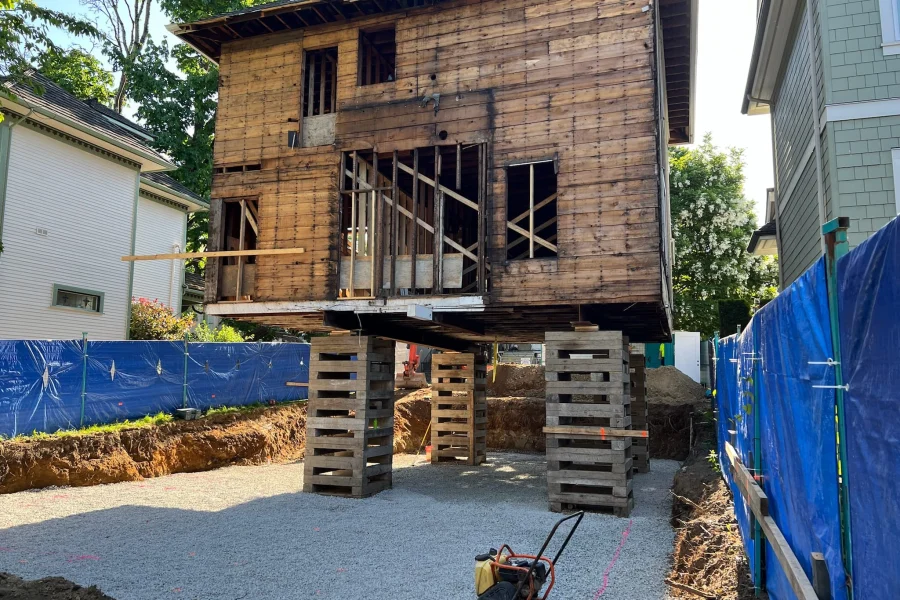
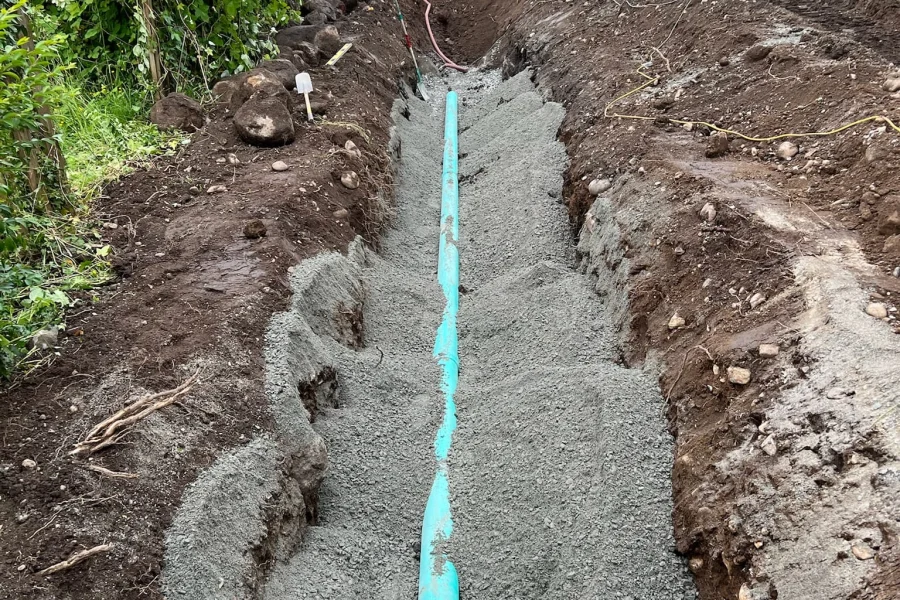
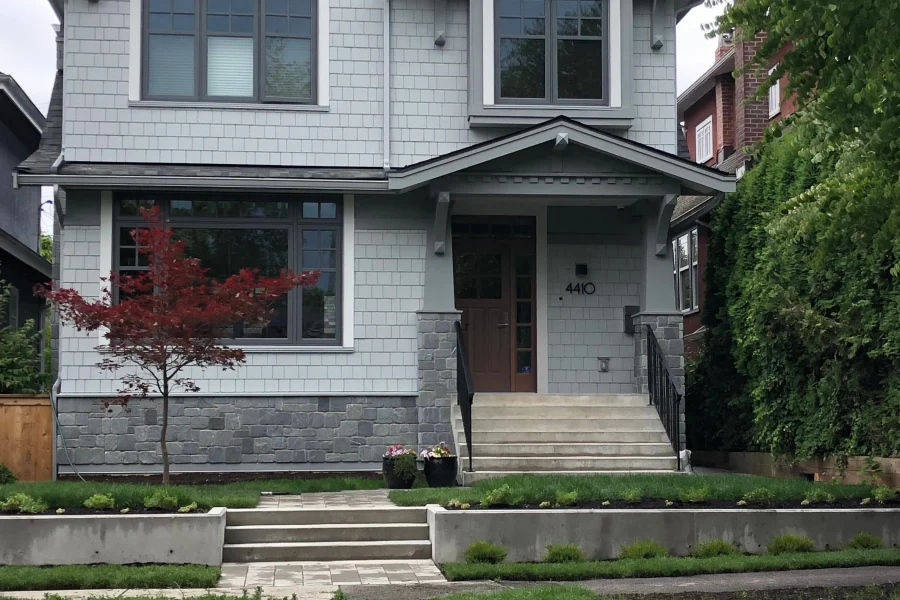
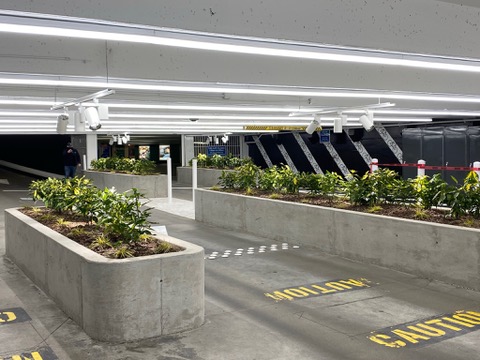
Four projects that show the range: structural work, residential renewal, new construction and commercial work. Crana was general contractor on each.
Credentials
Licensed, warrantied and accountable
- Est. 2016General Contractor
- ≈ 50 yearsCombined founder experience
- #46399BC Housing Licensed Residential BuilderDeveloper and General Contractor
- 2-5-10Travelers Canada 2-5-10 Home Warranty
- HAVANMember
- CHBAMember
Before construction
Why clients involve Crana early
Many of the costly problems on a substantial project are set up before anyone is on site. Bringing the general contractor in during design and pre-construction gives the project a construction view while decisions are still cheap to change.
Crana does not provide architectural or engineering design; that comes from the client’s consultants. Where permits, engineering or consultants are required, Crana coordinates the process as part of pre-construction. Early involvement does not guarantee a budget or a schedule, but it gives both a more realistic starting point.
- Scope review: what the drawings include, and what they leave open
- Buildability: whether the design can be built as drawn on this site
- Site conditions: access, existing structure and what may be found once work starts
- Consultant coordination: bringing the right engineer or designer in at the right point
- Sequencing: how the stages and trades fit together
- Budget conversations based on the actual scope
- Construction risks identified early rather than mid-build